Conservation efforts have entered a new era, thanks to advanced technology. One of the most significant innovations is GPS wildlife tracking. This technology allows researchers and conservationists to monitor animals’ movements and behaviors accurately, helping protect endangered species and better understand ecosystems.
In this article, we’ll explore how GPS wildlife tracking devices work, their benefits, and how they’re revolutionizing wildlife research.
Press enter or click to view image in full size

What Is GPS Wildlife Tracking?
GPS wildlife tracking uses satellite-based technology to track animals in real time. By attaching a small tracking device to an animal, researchers can collect precise data about its location, migration, and behavior. Unlike traditional tracking methods, GPS tracking provides continuous information without disturbing the animal, making research more ethical and efficient.
Modern GPS devices can also record environmental data like temperature, altitude, and activity levels, giving conservationists deeper insights into the species’ habits and habitats.
How Do GPS Wildlife Tracking Devices Work?
GPS wildlife tracking devices are designed to be lightweight and durable. They can come in the form of collars, tags, or harnesses depending on the animal. These devices communicate with satellites to provide exact location data, which can be stored or transmitted to researchers in real time.
Some advanced devices even include sensors for monitoring physiological parameters, allowing scientists to study animal health and behavior in unprecedented detail.
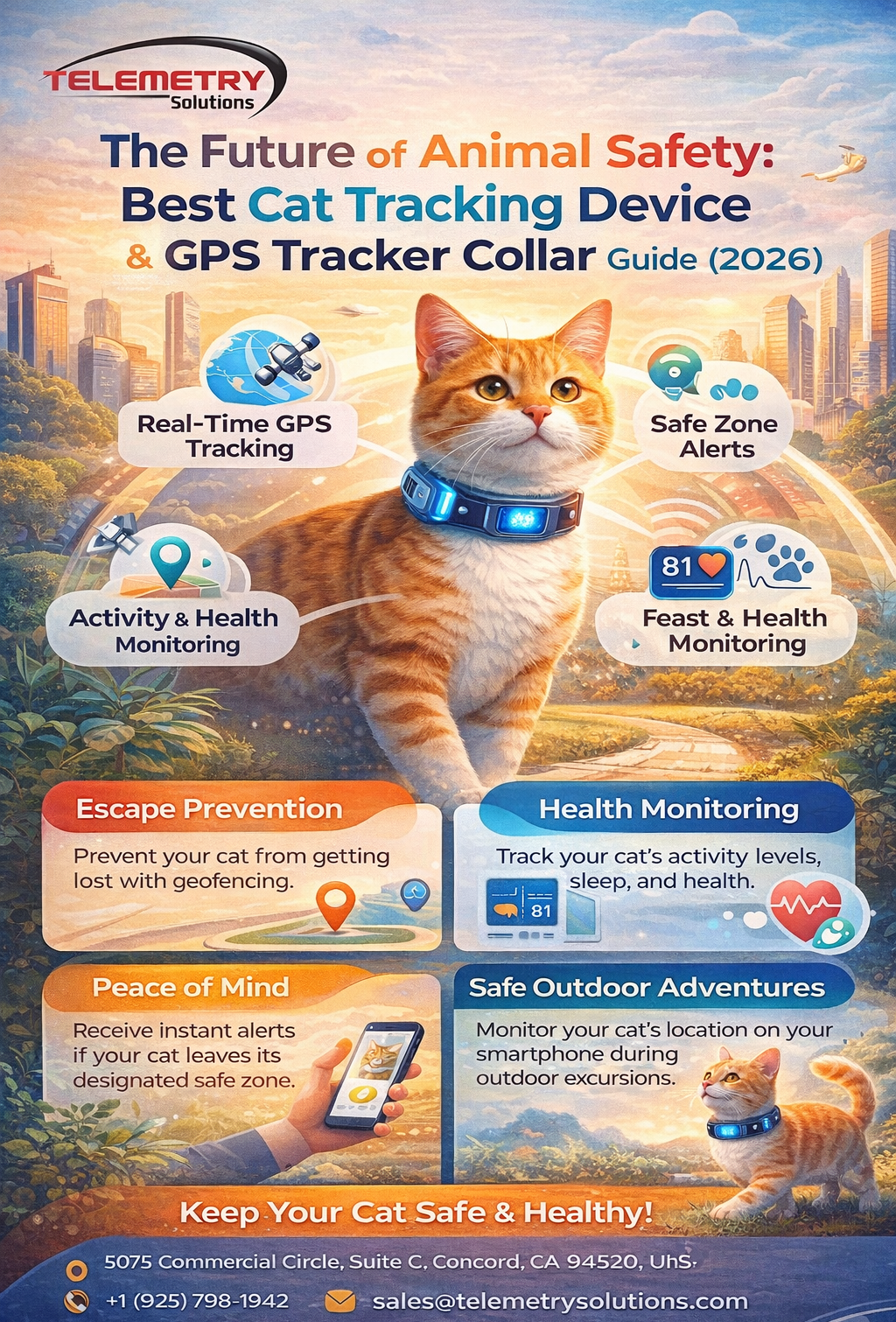
GPS Wildlife Tracking Devices | Telemetry Solutions
Discover advanced GPS wildlife tracking devices from Telemetry Solutions. Monitor animal movement and behavior with…
Key Benefits of GPS Wildlife Tracking:
The benefits of GPS wildlife tracking are extensive and impact research, conservation, and policy-making:
Accurate Research Data
GPS tracking provides precise data on animal movement, improving the quality of research over traditional observational methods.Enhanced Conservation Efforts
Understanding migration routes and habitat use helps protect endangered species and prevent habitat destruction.Reduced Human-Wildlife Conflicts
By tracking animals near human settlements or farmland, authorities can prevent conflicts, ensuring safety for both humans and wildlife.Real-Time Monitoring
Many GPS devices offer live data, enabling immediate responses to threats like poaching or habitat disruption.Informed Decision-Making
Data from GPS tracking can guide conservation policies, wildlife reserve management, and anti-poaching initiatives.
Types of GPS Wildlife Tracking Devices
Different animals require different tracking solutions. Common types include:
Collars: Ideal for large terrestrial mammals like lions and elephants.
Tags: Lightweight tags are perfect for birds or smaller species.
Harnesses and Belts: Designed for marine animals like turtles and seals.
Ear Tags and Microchips: Often used for livestock and some wildlife species.
Choosing the right device ensures accurate tracking while minimizing stress on the animal.
Applications of GPS Wildlife Tracking:
GPS wildlife tracking has transformed research and conservation in several ways:
Migration Studies: Tracks long-distance movements of birds and marine animals, helping identify critical habitats.
Behavior Monitoring: Observes feeding, social interactions, and health indicators.
Habitat Analysis: Identifies areas essential for survival, aiding in habitat protection.
Anti-Poaching Measures: Real-time alerts can prevent illegal hunting.
Education and Ecotourism: Data can enhance wildlife experiences and educational programs, promoting awareness.
Choosing the Right Device:
When selecting GPS wildlife tracking devices, consider:
Animal Size and Species: Devices should be lightweight to avoid discomfort.
Battery Life: Longer-lasting devices reduce the need to recapture animals.
Data Transmission: Real-time data is preferable for conservation, while data-logging devices are suitable for research.
Environmental Durability: Devices must withstand weather, water, and rough terrain.
FAQ:
Q1. Are GPS wildlife tracking devices safe for animals?
Yes. Modern devices are lightweight, non-intrusive, and designed to minimize stress.
Q2. How accurate is GPS tracking?
Most devices provide location accuracy within 5–10 meters, enough for effective tracking and research.
Q3. How long do the devices last?
Battery life varies from weeks to years. Some devices are solar-powered for extended use.
Q4. Can GPS tracking prevent poaching?
Yes. Real-time alerts help conservationists respond quickly if animals enter high-risk areas.
Q5. Is GPS tracking expensive?
While initial costs may be significant, the benefits to research and conservation make it a valuable investment.
Conclusion:
GPS wildlife tracking has changed how we study and protect wildlife. By providing accurate, real-time data, these devices support conservation, research, and education efforts globally. Choosing the right GPS wildlife tracking devices ensures reliable data collection, minimal animal stress, and better decision-making for conservation initiatives.
For organizations and researchers seeking advanced solutions, Telemetry Solutions offers state-of-the-art GPS wildlife tracking devices.


Write a comment ...